Shipper, an AI app builder powered by Claude Opus 4.6, now lets anyone build a complete web or mobile app from a single sentence. No developer. No agency. No waiting months. The promise of "describe your idea and ship it" has finally caught up to the reality.
What Shipper Actually Does
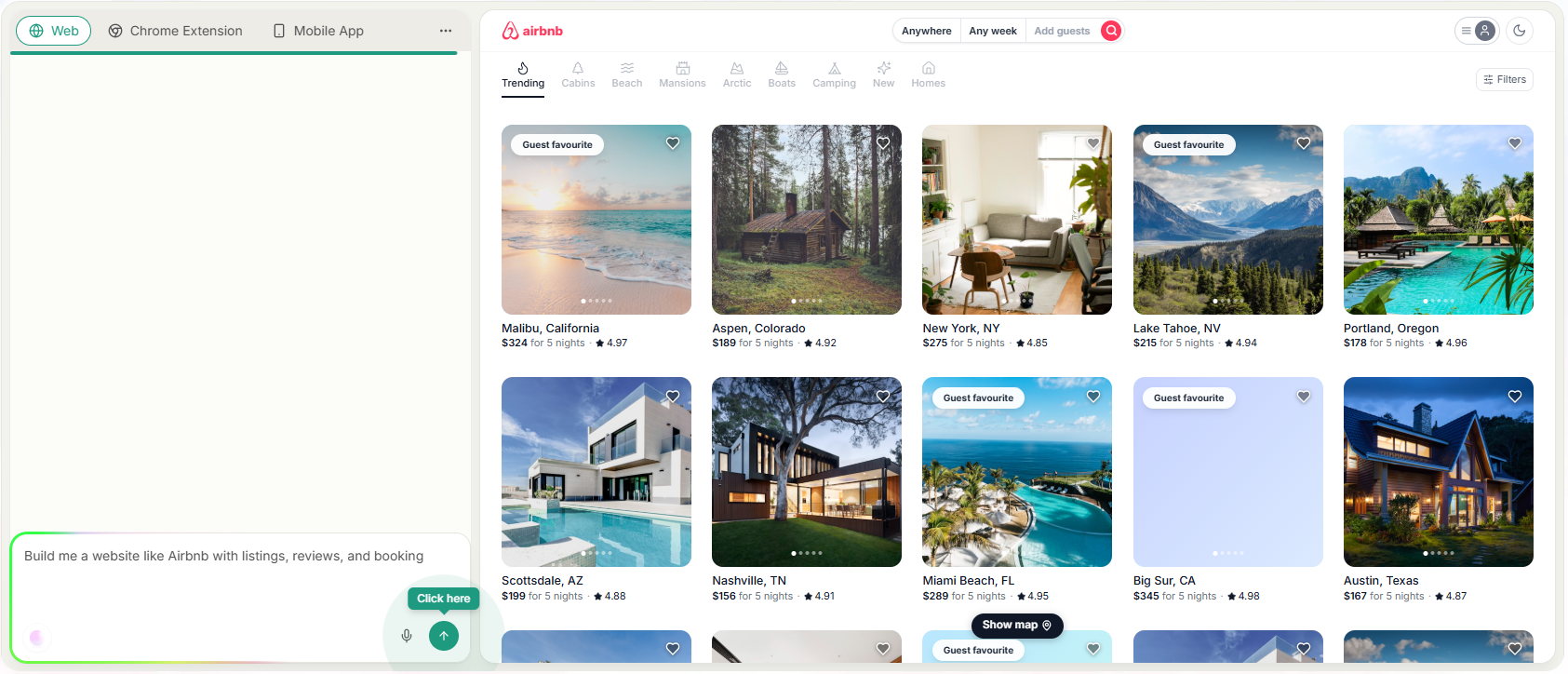
Shipper is not a template tool. It is not a drag-and-drop website builder. It generates a full working application from plain English, including frontend pages, backend logic, a database, user authentication, payment processing, and hosting. Everything you would normally hire a developer to wire together for months.
The workflow is closer to texting a colleague than configuring software. You describe what you want. The AI figures out the architecture, writes the code, and spins up a live app in under a minute. Stripe, Shopify, Google, and Notion integrations are built in from the start, which means a revenue-collecting SaaS product is not a distant goal. It is a first draft.
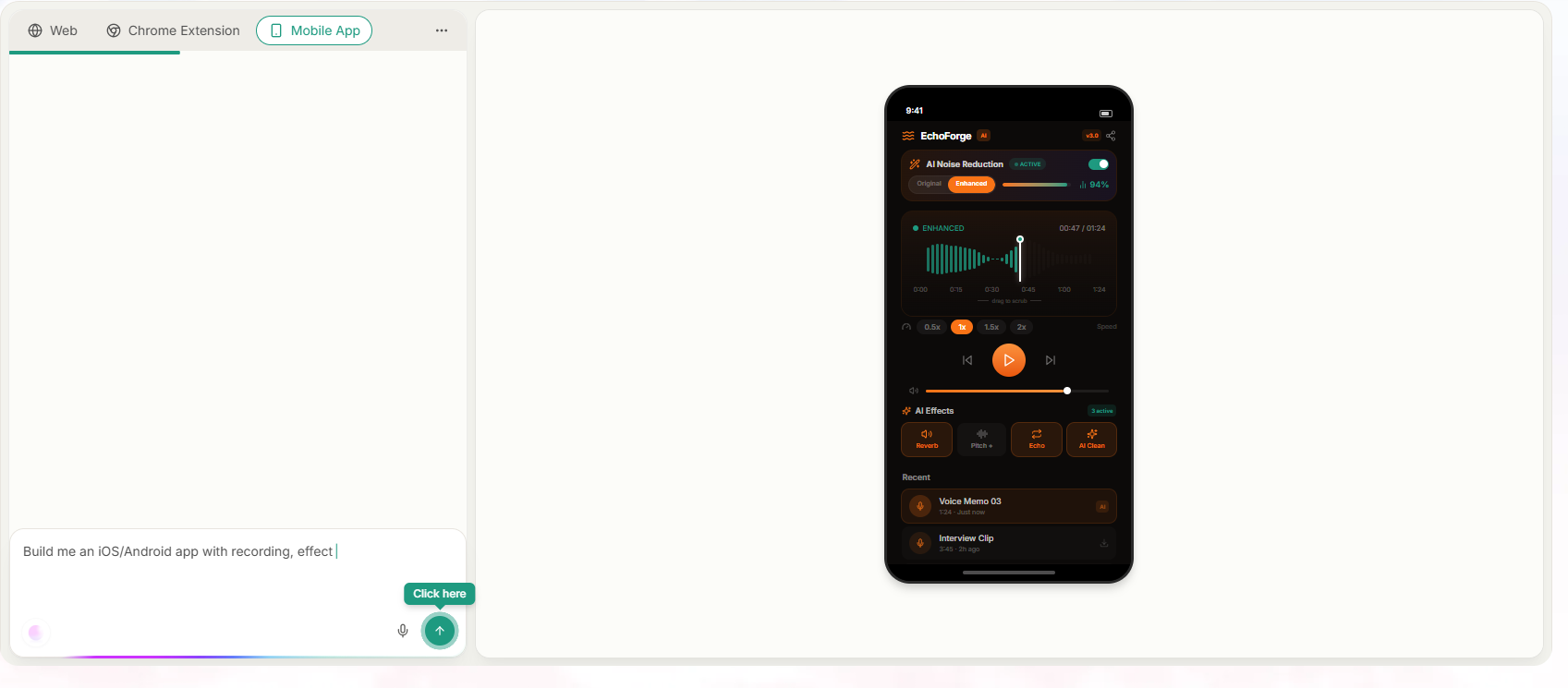
The launch of Shipper 2.0 in March 2026 expanded this to web apps, mobile apps for iOS and Android, and Chrome extensions. All from the same interface. All using Claude Opus 4.6 as the engine. The team behind it recently demonstrated converting an existing website into a fully published mobile app for $0.28. Not a mockup. A publishable app, including App Store listings, screenshots, descriptions, and keywords, generated automatically.
The Advisor: An AI Cofounder Built Into Your Project
The feature that separates Shipper from a simple code generator is The Advisor, a built-in AI consultant that stays with your project over time.
While the builder creates the app, The Advisor reviews what you have built and proactively suggests what to do next. It analyzes your code, your market positioning, your pricing, and your marketing approach. It draws on patterns from thousands of successful startups to give guidance that goes beyond technical decisions.
For a marketing director testing a new product idea, this matters. For an HR lead building an internal onboarding tool, this matters. You are not just getting software. You are getting a thinking partner that understands what you are trying to build and why.
The platform also includes a Visual Editor that lets you rearrange layouts, adjust styles, and modify components without prompting. You click into any element and reshape it. No file navigation, no imports, no broken dependencies. The result is that iteration speed, which is where most app projects stall, becomes dramatically faster.
Why This Matters If You Are Not a Developer
The standard assumption in most organizations is that building software requires a developer. That assumption is becoming outdated faster than most people realize.
Shipper is designed specifically for people who have never written code. A founder, operator, or team lead can now take an idea that would have cost $20,000 in development and weeks of back-and-forth, and turn it into a live, revenue-collecting product in an afternoon. The platform hosts the app, handles deployment, and generates exportable React and TypeScript code if the team ever wants to take it somewhere else. No vendor lock-in. You own the output.
This has concrete implications for how teams work. An operations manager who spots an internal process problem can build the tool to fix it without filing a ticket and waiting six weeks. A sales team can validate a product idea with a real working app before committing resources. A small business owner can launch a booking system, a client portal, or a subscription product without a development budget.
The pricing reflects this accessibility. Shipper starts with a free tier for initial prototypes, with paid plans starting at $39 per month. At that price point, the question for most professionals is not whether this is affordable. It is whether they have an idea worth testing.
The Bigger Shift: Claude as Infrastructure
Shipper is one of a growing number of products being built on top of Claude Opus 4.6, treating the model not as a chatbot but as an engine. The model reasons through requirements, writes code, catches its own errors, and iterates. Shipper claims 91% fewer bugs compared to traditional code generation, a result of the self-fixing loops Claude runs under the hood.
The mobile app angle is particularly significant. Until recently, publishing an app to the Apple App Store or Google Play Store required dedicated iOS and Android developers, Apple developer accounts, compliance with store guidelines, and weeks of review cycles. Shipper now handles the listing creation, icon generation, and compatibility checks automatically. A business idea can go from a sentence to a live listing in the App Store for less than a dollar in AI costs.
This is not the future of software development. It is happening right now, and the teams paying attention are moving faster than the ones waiting for the technology to mature.
Watch for this category to compress even further over the next 12 months. As Claude's underlying capabilities improve, the gap between what a non-technical professional can ship and what a full engineering team builds will keep shrinking. The question is no longer whether you can afford to build software. It is whether you have a clear enough idea to describe it.

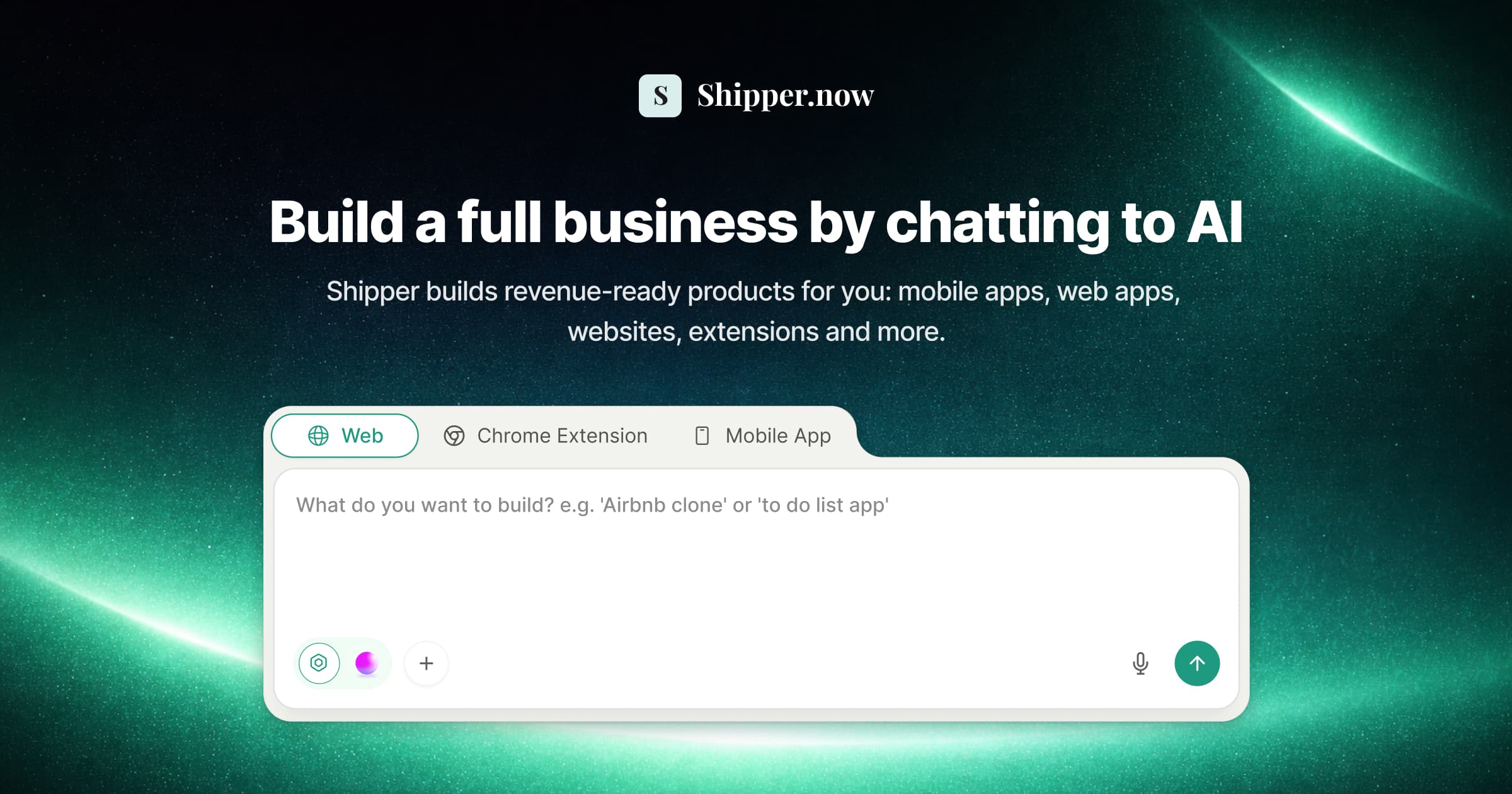
Big news, @claudeai just got a huge upgrade today and I'm very happy to be introducing it in shipper. From today on, Claude Code Opus 4.6 can build and run a business for you.
— David Ch (@chhddavid) March 5, 2026
We just launched Shipper 2.0, a tool that lets Claude:
→ Build web/mobile apps and Chrome extensions… pic.twitter.com/jpMi6gBc1k