OpenAI has gone all in on a single model. The company shut down its video generator, collapsed a billion-dollar partnership with Disney, and redirected every available GPU toward one project. Its codename is Spud. And today, April 14, is the date the internet expects it to arrive.
The Biggest Gamble in AI Right Now
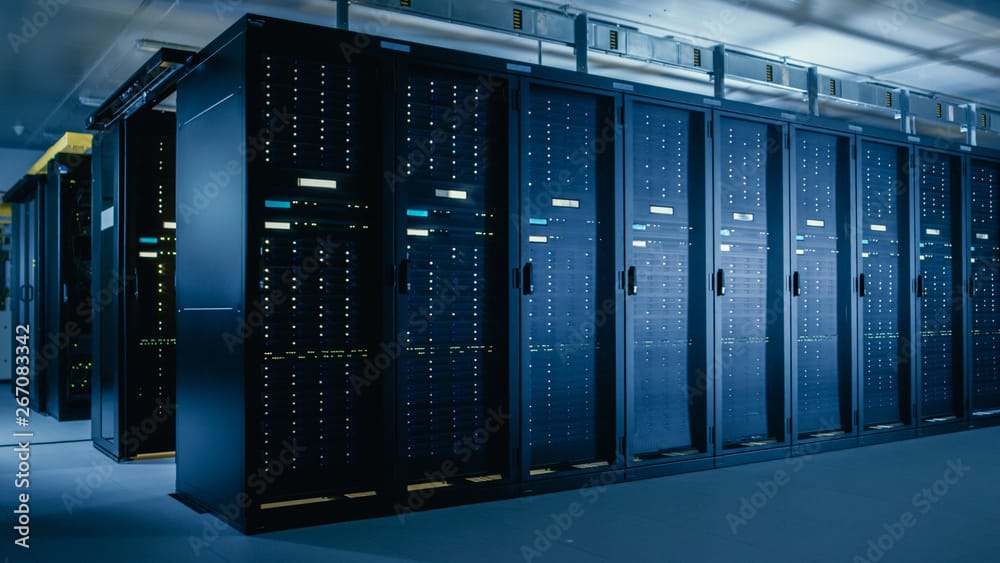
Here is what we know for certain. OpenAI finished pre-training its next frontier model on March 24, 2026, at the Stargate data center in Abilene, Texas. Sam Altman confirmed the milestone and told employees the result is a "very strong model" that could "really accelerate the economy." Co-founder Greg Brockman called it the product of two years of research and "not an incremental improvement."
The model's internal codename is Spud. Whether it ships as GPT-5.5 or GPT-6 depends on how large the performance gap is over GPT-5.4. If the benchmarks show a generational leap, it gets the bigger number. If it is strong but iterative, it stays at 5.5.
Breaking: OpenAI is canning Sora (mobile app, API and video capabilities in ChatGPT). It’s finished training its latest model, codenamed Spud, as CEO Sam Altman shifts his reports.
— Stephanie Palazzolo (@steph_palazzolo) March 24, 2026
w/ @amirhttps://t.co/IIP0EmwlcW
The rumored specs are striking. Leaked details suggest a 40% performance improvement over GPT-5.4 across coding, reasoning, and agentic tasks. The context window allegedly doubles to 2 million tokens, enough to process an entire book in a single prompt. And OpenAI reportedly plans to merge ChatGPT, Codex, and the Atlas browser into a single desktop "super app" that handles chat, code, and web browsing in one interface.
Prediction markets are paying attention. Polymarket traders give it 78% odds of launching by April 30. Multiple OpenAI insiders have been teasing "next week" on X for the past several days. One unverified source pointed specifically to today. OpenAI has not confirmed any date.
What OpenAI Sacrificed to Get Here
The backstory matters because it reveals how seriously OpenAI is treating this release. On March 24, the same day pre-training wrapped, OpenAI announced the permanent shutdown of Sora, its AI video generation app. The move killed a $1 billion Disney partnership that would have licensed over 200 characters from Disney, Marvel, Pixar, and Star Wars for AI-generated video content. According to Axios, no money ever changed hands between the two companies.
The reason was compute. Running Sora cost an estimated $15 million per day in inference costs. The app generated only $2.1 million in total lifetime revenue. Downloads had dropped 66% from their peak. OpenAI decided to redirect those GPUs toward its flagship language model instead.
This was not the only sacrifice. Altman publicly conceded that GPT-5 was a "misfire." Brockman acknowledged the company had focused too heavily on benchmark scores while losing ground to Anthropic in the coding domain. That realization triggered what insiders described as a "programming red alert" inside the company starting in December 2025.
The result was a complete strategic realignment. Non-core product lines were terminated. The product department was reportedly renamed the "AGI Deployment Department." Every available resource pointed at one goal: making Spud good enough to reclaim the top position in AI.
 Todd Spangler
Why This Matters If You Use AI at Work
If you pay for ChatGPT Plus, this is the most relevant model release of the year. Here is what changes for professionals who use AI daily.
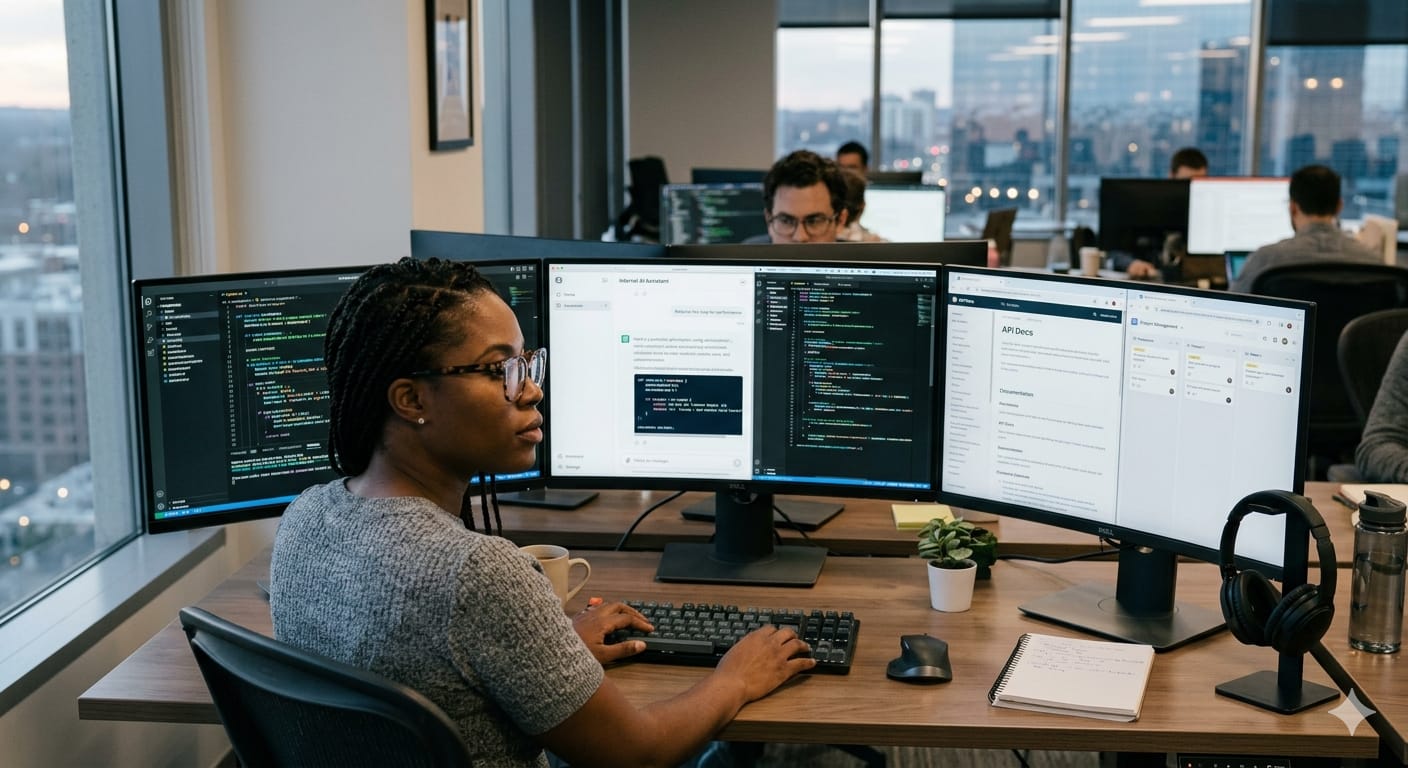
The super app concept could simplify your workflow. Right now, using OpenAI's tools means switching between ChatGPT for conversations, Codex for coding tasks, and separate browser extensions for web research. The unified desktop app would collapse all of that into a single interface. One context window. One agent that can browse, write code, and hold a conversation without losing track of what you asked three steps ago.
The pricing signals suggest accessibility. Leaked numbers point to $2.50 per million input tokens and $12 per million output tokens, roughly flat compared to GPT-5.4. If accurate, that means enterprise teams would get a substantially more capable model without a budget increase. One source described it as "Mythos-level intelligence at Sonnet-level pricing," referring to Anthropic's restricted next-generation model and its mid-tier offering.
Memory is the feature to watch. Altman has been unusually vocal about one capability: persistent memory. He told interviewers that GPT-6 will adapt to individual users over time, remembering preferences, routines, and communication styles. "People want memory," he said. "People want product features that require us to be able to understand them." If this works as described, your ChatGPT instance would effectively become a personalized assistant that improves the longer you use it.
For teams using Claude or Gemini today, the competitive picture is worth monitoring. Anthropic's Claude Opus 4.6 currently leads on real-world coding evaluations. Google's Gemini 3.1 Ultra holds the top spot on 13 of 16 major benchmarks. Spud needs to beat both to justify the hype. The benchmarks will tell us within days of release.
The Bigger Picture
This launch, whenever it happens, represents something larger than a model upgrade. OpenAI is a company that just raised $122 billion at an $852 billion valuation, is preparing for a potential IPO, and is burning cash at a rate that demands results. The decision to kill a consumer product, alienate a partner like Disney, and concentrate resources on a single model is the kind of bet companies make when they believe everything depends on what happens next.
The AI market is no longer a technology race. It is an execution race. Claude, Gemini, and now a wave of strong open-source models from companies like DeepSeek and Zhipu have made the field crowded enough that no single release guarantees dominance. What matters now is whether the tools you use actually get better at the work you need them to do.
If Spud delivers, the ChatGPT you open tomorrow could be meaningfully different from the one you used yesterday. If it does not, OpenAI has very little room left to maneuver before the market moves on.
Alan D. Thompson