Microsoft just confirmed that AI agents are coming to the Windows 11 taskbar next month. Not as a gimmick. Not as another Copilot button. As a full platform where any developer can plug in an AI that actually does work for you.
This comes two months after Microsoft publicly promised to "reduce Copilot" across apps like Notepad, Snipping Tool, and Photos following user backlash. Many read that as Microsoft retreating from AI in Windows. Today's confirmation shows the opposite. Microsoft is not pulling back. It is doubling down, just in a smarter, more intentional way.
What Exactly Is Coming to Your Taskbar
On April 17, Microsoft pushed Windows 11 Build 26200.8313 to the Release Preview Channel. Today, the Windows team confirmed the public rollout window. AI agents will begin appearing in the taskbar and search box starting next month.
The first example is Microsoft 365 Researcher, an agent that runs multi-step research tasks in the background. Think of it like Deep Research from ChatGPT or Gemini, but with direct access to your OneDrive files, Outlook emails, and anything else inside your Microsoft 365 workspace. You hover over the Copilot icon to check progress. When the agent finishes, Windows sends a notification with the completed report.
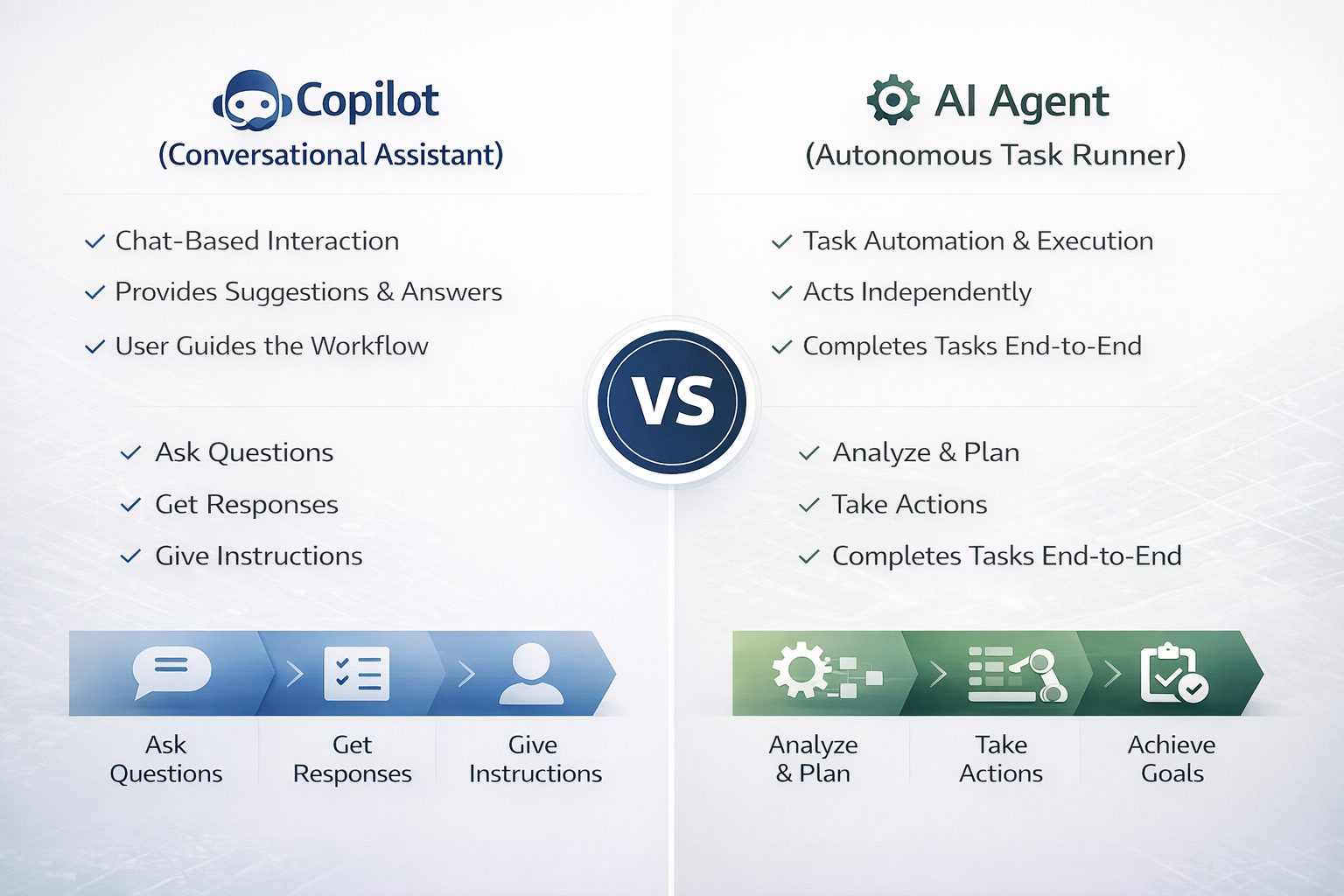
The key word is autonomous. Unlike Copilot, which answers questions when prompted, these agents are designed to plan, research, reason, and execute without your intervention. They can operate across multiple apps, summarize on-screen content, extract data, and automate productivity workflows while you do something else.
Here is the part most coverage is missing. Microsoft is opening the taskbar to third-party agents through a new Windows Agent API (technically Windows.UI.Shell.Tasks). That means Anthropic, OpenAI, Perplexity, or any startup can ship an agent that lives in your taskbar alongside Microsoft's own. No custom app. No separate install flow. Just a native Windows experience.
Why Microsoft Had to Do This
To understand why this matters, look at where AI developers have been building for the last twelve months. Not on Windows. On Mac. Claude, ChatGPT, Perplexity, Cursor, and nearly every frontier AI product launched polished desktop experiences on macOS first. Windows got the leftovers.
For Microsoft, this is an existential problem. If the next generation of software is being built on Mac, the long-term future of Windows gets much harder. Microsoft needs to give AI developers a reason to build Windows-native. The Taskbar Agents API is exactly that reason. A guaranteed distribution surface on over a billion devices, with deep OS integration and real-time progress tracking baked in.
The scaling-back narrative from February was never about less AI. It was about less annoying AI. Microsoft removed Copilot from Snipping Tool and Notepad because users were rejecting it there. The taskbar is different. The taskbar is where you already go when you want something to happen.
 Zac Bowden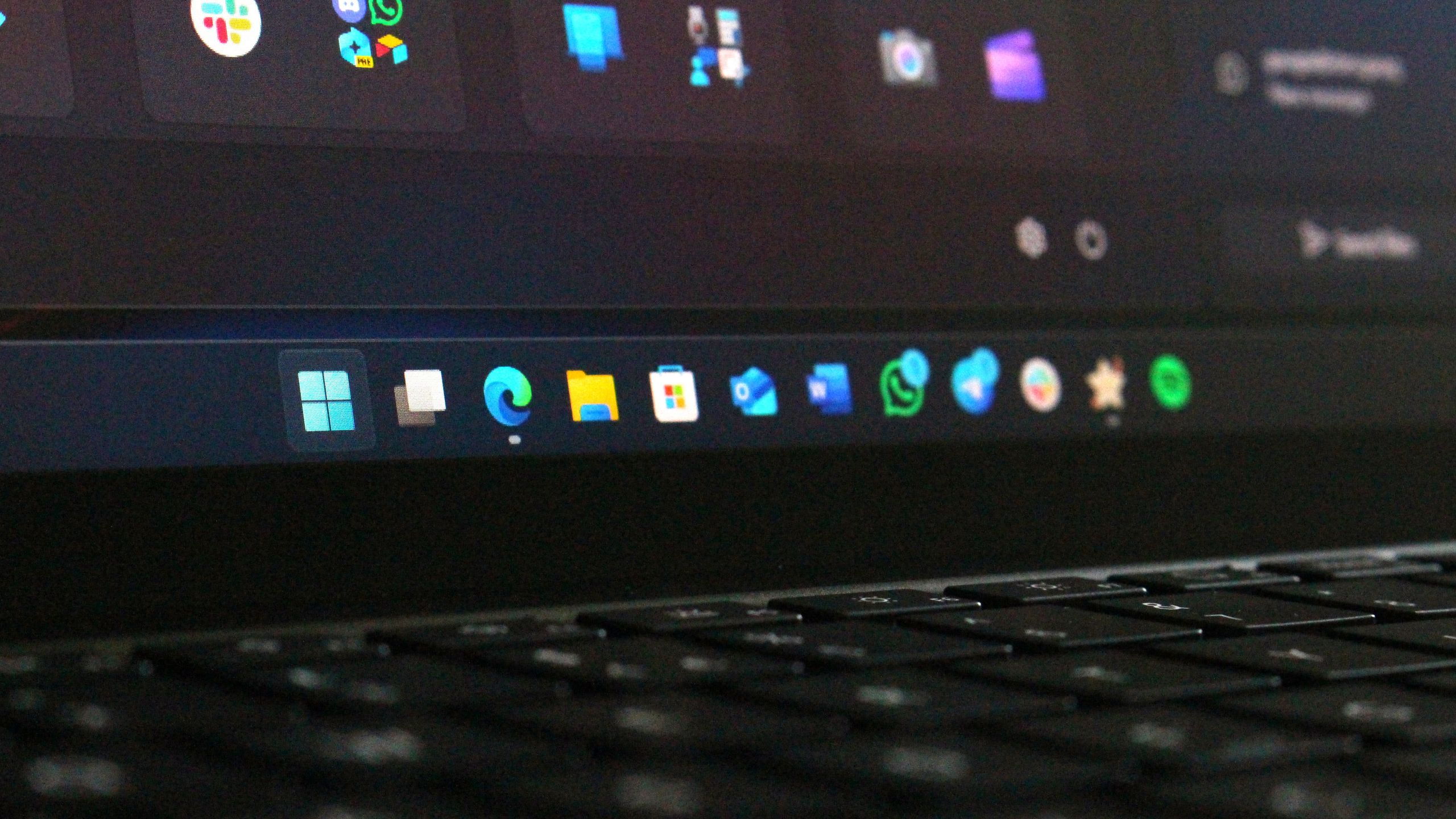
What This Means for Your Work
If you use Windows at work, your operating system is about to start doing things for you. Not suggesting things. Not summarizing things. Actually executing tasks in the background while you focus on something else.
A few concrete examples. A sales manager could ask an agent to compile the latest performance data from four different SharePoint folders and draft a board-ready summary by the end of the day. An HR lead could delegate a policy review across every active employee handbook, flagging inconsistencies. A finance analyst could send an agent to reconcile two spreadsheets while they handle a call. None of this requires learning a new tool. The agent lives in the same taskbar where Excel and Outlook already live.
There is a catch worth understanding. The first agent, Microsoft 365 Researcher, requires a Microsoft 365 Copilot subscription. If your company does not pay for Copilot, you will not get this specific agent. But the third-party API is what matters long-term. Expect Anthropic, OpenAI, and smaller players to ship competing agents with different pricing and capabilities in the months ahead.
Microsoft confirms AI agents are still coming to the Windows 11 taskbar as it prepares for public rollout.
— Windows Latest (@WindowsLatest) April 19, 2026
When the optional agentic taskbar update begins rolling out, you'll be able to monitor AI agents directly on the taskbar.
Microsoft 365 Researcher is one of the early… pic.twitter.com/vWAXGm1W5p
The Bigger Shift Nobody Is Talking About
For thirty years, the operating system was a passive layer. It opened apps. It managed files. It waited for you to click something. Microsoft just made the case that the operating system itself should become an active participant in your work.
This is also why Microsoft is pushing so hard on the developer story. Apple has not announced a comparable agent platform for macOS. Google's ChromeOS is primarily a browser. For the first time in years, Microsoft has a genuine structural lead in a major AI category. Whether developers actually build for it is the open question. The API exists. The distribution exists. The incentive structure is lined up.
The rollout is optional, meaning Microsoft will not force anyone to use agents. You can hide them. You can disable them. But every single Windows 11 user will have the infrastructure installed and ready. That is how a platform shift starts. Quietly, by default, in the place you already look a hundred times a day.
For working professionals, the practical move right now is simple. Pay attention to which third-party agents get announced in the next few weeks. The ones that ship early will set the expectations for what "agentic work" actually feels like. If you live in Windows eight hours a day, the tools that live in your taskbar are about to start doing more than they ever have before.